

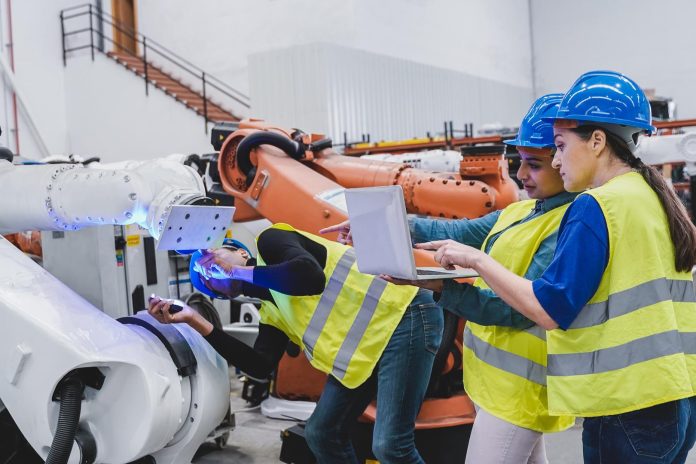
Industrial robots stand out with their ability to collaborate with humans in the same working environment, going beyond traditional automation systems. In this context, the safety and efficiency of human-machine collaboration have become crucial, especially in complex assembly processes.
The New Dimension of Human-Machine Collaboration
While robots in traditional manufacturing processes typically operate in isolated areas, the next generation of industrial robots can collaborate with humans in the same environment. This development is groundbreaking, particularly in enhancing efficiency and flexibility in assembly processes.
The Fundamental Principles of Human-Machine Collaboration
Human-machine collaboration is based on certain principles to ensure safe and effective interaction. Principles such as controlling the speed and force of robots, understanding their surroundings using sensor technology, and automatically stopping in emergency situations are crucial to ensuring safety in collaborative environments.
Human-machine collaboration requires advanced safety sensors and technologies for secure assembly environments
Various sensors such as camera systems, laser sensors, and touch detection technologies ensure safety by detecting humans around the robot, guiding the collaborative process.
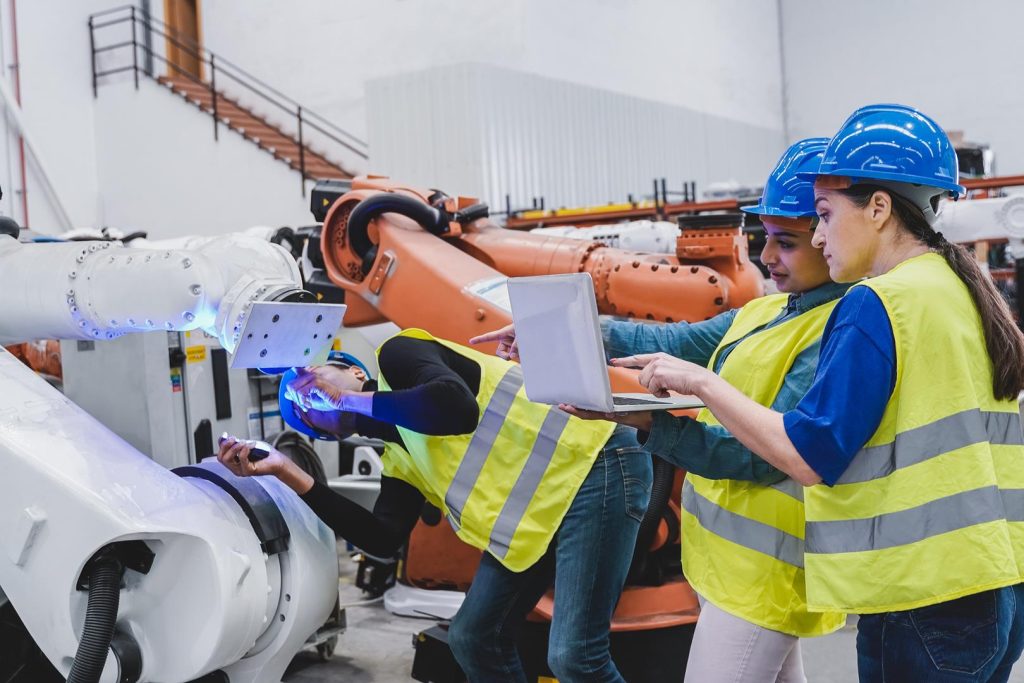
Adaptive Robot Control Systems
Human-machine collaboration requires robots to adapt quickly to environmental changes. Therefore, adaptive robot control systems enable robots to assess real-time situations and operate in synchrony with human operators.
The Benefits of Human-Machine Collaboration in Assembly Processes
In safe assembly environments, human-machine collaboration offers a range of advantages. Interaction between operators and robots enables the faster and more accurate completion of complex assembly tasks. Additionally, combining the strengths of robots with the flexible thinking abilities of humans enhances productivity.
Human-machine collaboration is rapidly being adopted in many industrial sectors
Human-machine collaboration is rapidly being adopted in various industrial sectors. Industries such as automotive manufacturing, electronics production, and medical device manufacturing utilize this technology to make assembly processes more efficient and secure.
Safety Standards and Regulations
With the advancement of human-machine collaboration, international safety standards and local regulations play a significant role in this field. Safety standards focus on minimizing risks in industrial applications by regulating the collaboration between robots and operators, ensuring their effective coexistence.
The Future of Safe Assembly with Human-Machine Collaboration
Safe assembly environments provide an example of how industrial robots can effectively collaborate with human operators in complex tasks and optimize production processes. Human-machine collaboration represents not only a transformation in industrial automation but also signifies a shift in work ethics and efficiency.

