

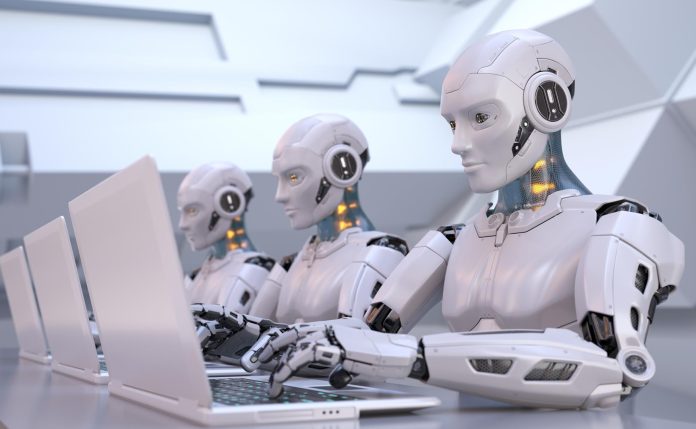
Artificial intelligence-supported robots are increasingly playing a crucial role in the business world. These robots collaborate with humans in various fields such as complex data analysis, predictive analytics, optimizing decision-making processes, and even customer service, enhancing business processes.
Optimizing Business Processes
Artificial intelligence-supported robots automate routine and repetitive tasks, allowing human workers to focus on more strategic and creative responsibilities. This enables business processes to become more efficient and increases productivity.
Assisting Human Workers: Overcoming High-Risk and Repetitive Tasks
Future Predictions and Forecasts
AI-supported robots can undertake dangerous or monotonous tasks in place of human workers. These robots can operate in high-risk environments and help prevent workplace accidents. Additionally, they can prevent human fatigue in repetitive tasks.
Training and Adaptation: Keeping the Workforce Up to Date
The use of AI-supported robots requires the workforce to continuously engage in training and adaptation processes. Investment in education and skill development programs is necessary for human workers to embrace and effectively utilize this new technology.
Ethical and Security Concerns: Establishing a Balance Between Artificial Intelligence and Robots
Future Workforce: Collaboration Between Humans and Robots
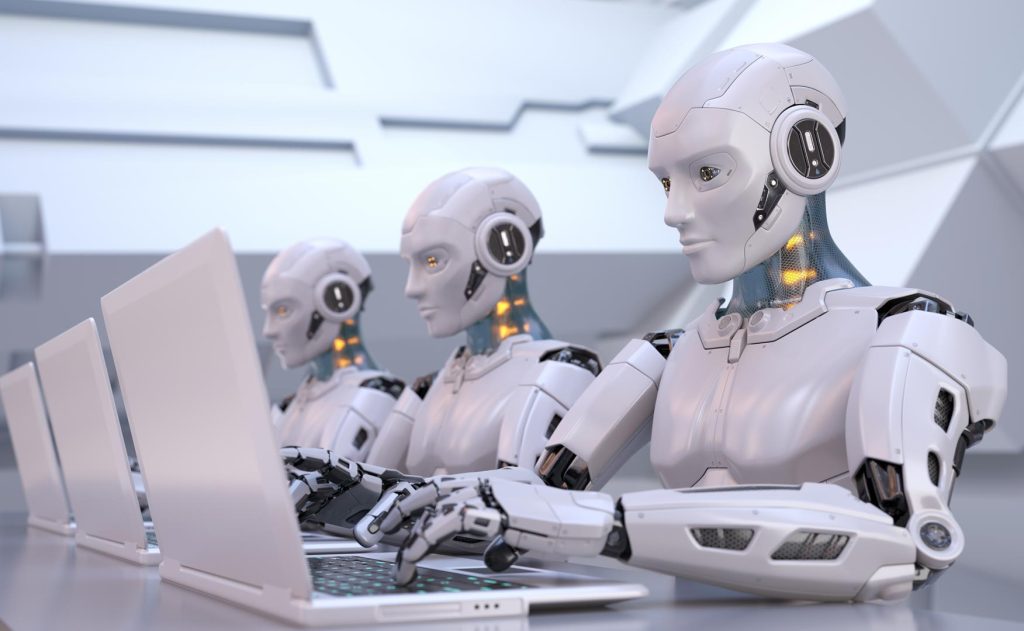
However, the collaboration and support provided by AI-supported robots to human workers will play a significant role in shaping the future of the business world. The harmonious collaboration between humans and robots will enhance productivity and provide a competitive advantage.
Control and Management of Artificial Intelligence Supported Robots
Regulations and standards regarding the use of artificial intelligence-supported robots should be established. This is important to ensure the safety, data privacy, and compliance with ethical standards of robots used in workplaces. Each industry has different needs, and applications of AI-supported robots are also industry-specific. Therefore, determining how robots will be used and adapted in different sectors

