


New Opportunities and Threats
Robot technology is rapidly spreading across industrial and service sectors, beginning to replace human labor. However, this change may lead to inequalities and injustices in income distribution. The effects of robot technology on income distribution could have a profound impact on the economy and social structures.
Labor Market and Unemployment
As robots increasingly take on more tasks, the demand for human labor may decrease. This situation can lead to an increase in unemployment rates and deepening income inequalities. Particularly, the automation of low and middle-skill jobs can reduce the employment opportunities for less skilled workers.
Strategies for Reducing Income Inequality: Social Mobility and Social Support Policies
Income Inequality and Wealth Concentration
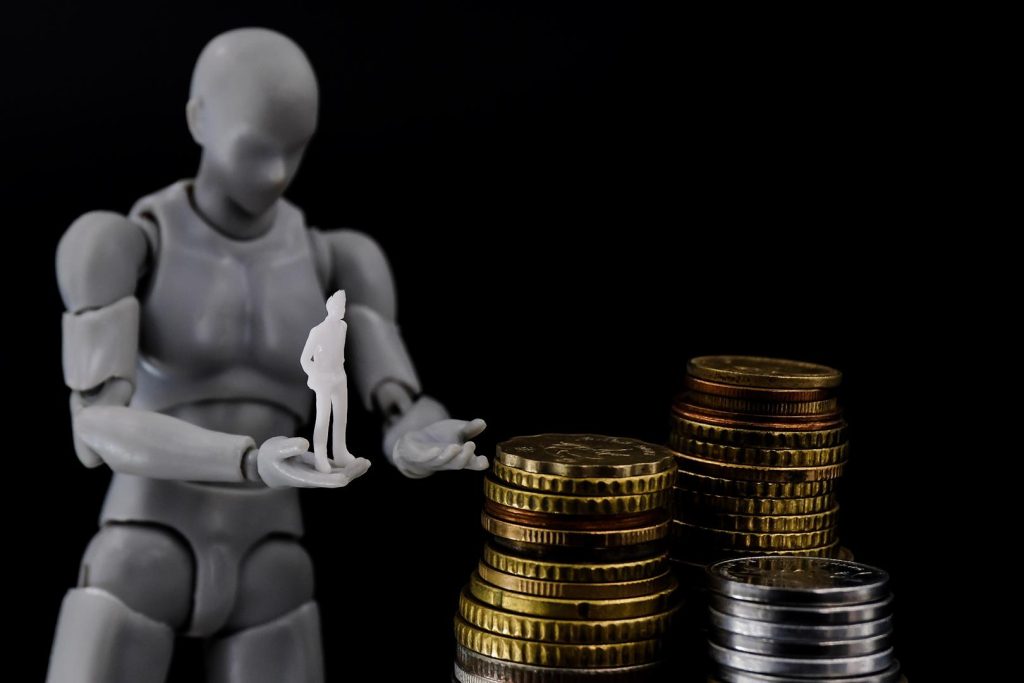
The proliferation of robot technology can exacerbate income inequality. Those working with robots in industrial and financial sectors often earn high income and wealth, while workers in other sectors may experience income loss. This situation can further concentrate income among the wealthy.
Education and Skill Development
Avoiding the impacts of robot technology involves individuals acquiring new skills and continuously updating their education. However, this can also exacerbate income inequality. Individuals with higher levels of education often benefit more from the advantages of robot technology, while lower-educated workers may experience more losses.
Education and Vocational Retraining: Adapting to the Changes Brought by Robot Technology
Social Mobility and Social Support Policies
One way to reduce income inequality is to promote social mobility and strengthen social support policies. Policies such as education, vocational retraining, and job placement programs can help people adapt to the changes brought by robot technology. Additionally, tax reforms and strengthening social security systems are necessary to ensure fairness in income distribution.
Industry 4.0 and Income Distribution
The impact of robot technology on income distribution can have significant implications for the future of society. Therefore, it is necessary to redesign economic and social policies to reduce income inequality and help individuals adapt to the changes brought by robot technology.

